Shieldman in Command An Army: Wall Unit Guide (Sentinel, Imperial Wall)
Shieldman → Sentinel → Imperial Wall is the game's documented shield line — the holder that keeps capture-point contests winnable. Chain, role, and open questions.
FAQ
What does the Shieldman evolve into?
What role does the Shieldman fill?
Is the Shieldman the same class as Heavy Shields?
Do shields actually block damage?
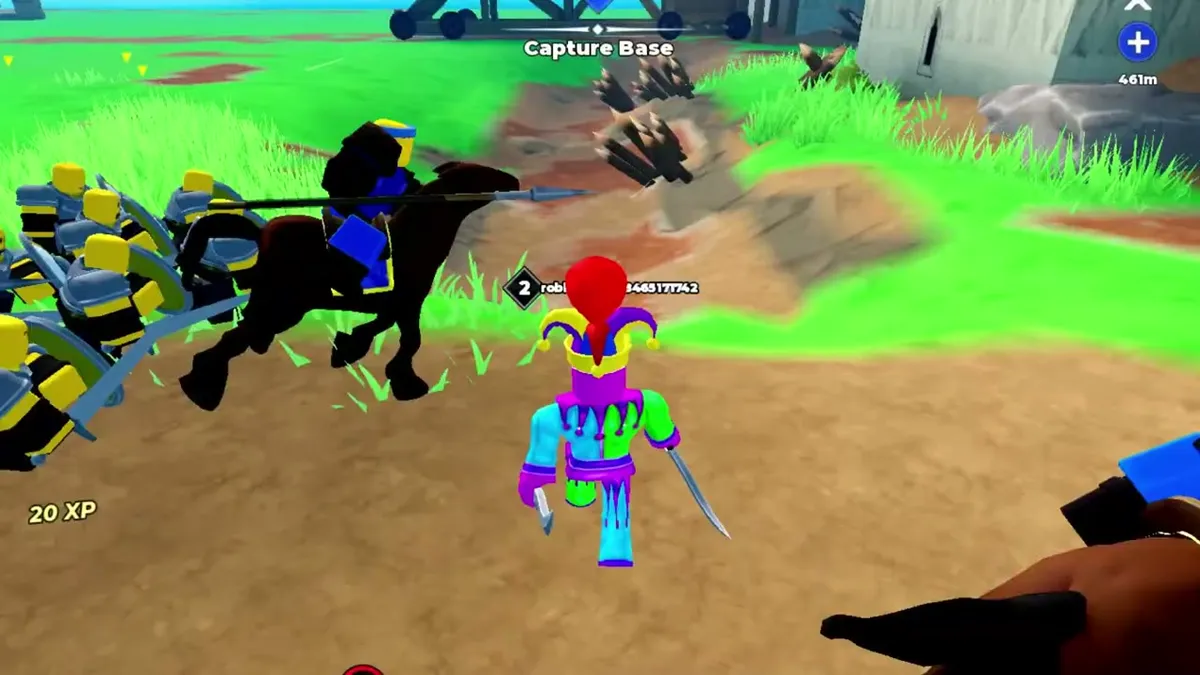
Every army question in this game eventually lands on one question: who holds the ground? The Shieldman line is the documented answer — the wall units a defense is built around, and the thing every breaker in the roster is designed to beat. This page collects what is officially known about the chain and marks the boundaries of that knowledge.
What is the Shieldman’s evolution line?
The official info channel lists it among the launch chains:
| Stage | Notes |
|---|---|
| Shieldman | Base unit, shield frontline |
| Sentinel | Second stage, documented at launch |
| Imperial Wall | Third stage — the name is the mission statement |
Promotion gates on Mastery Level 20, the cap, reached through play (upgrading guide). The full chain table with sources lives on the evolution paths page.
What role does the line fill?
Holder — the first role in the army building table: stand on ground, survive contact, keep the line intact. In practice that means anchoring capture point contests, forming the front of a formation, and being the wall half of the game’s core pairing — shields plus Ranged — where the wall breaks the push and the bows punish it.
The honest nuance is class assignment: the game fields two shield-flavored frontline classes (Sword & Shield and Heavy Shields — the unit types overview explains the split), and no official statement yet assigns this line to one or the other. The wall identity is documented; the exact class slot is not.
What are the line’s mechanics?
Blocking is real, layered, and now visible:
- BLOCK and BLOCK DMG are stat rows on official unit cards — the Javelineer and Imperial Halberder cards both carry them.
- The Shield Damage Indicator shipped September 13 — a UI layer that finally makes blocking visible during matches (patch history).
- Some units exist to beat blocks — the owner’s sneak-peek posts confirm the halberd line and the Mace deal block damage, and the Javelineer’s post-rework throws ignore shield damage reduction outright. A wall is strong, not invulnerable; the meta around it is an arms race between block and block-breakers.
How do you raise one?
Duplicates feed Ascension; battles feed Mastery toward the Level-20 evolution gate. The line rewards locking early — a wall you have fed since launch holds points longer than anything bought later. Pulling on purpose: the summon odds page has the official rates, and the codes page funds the pulls.
What is still being verified?
The line’s own stat card is unpublished — base stats, per-stage jumps, and Gem cost are unrecorded. The Sword & Shield vs Heavy Shields class assignment (above) is the second open question. Each answer lands here with a date as it verifies.
Sources
- Official COMMAND AN ARMY Discord — #information, Game Information post: the Shieldman → Sentinel → Imperial Wall chain
- Official COMMAND AN ARMY Discord — #update-log, September 13 patch: Shield Damage Indicator
- Official COMMAND AN ARMY Discord — #sneak-peaks: block-damage confirmations for the halberd line and Mace (the wall’s counterplay)
Gallery
Next objectives
Keep Reading, Commander
Related Articles
guides
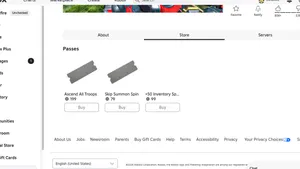
Command An Army Game Passes: Every Pass, Price, and Honest Verdict
Every Command An Army game pass listed with its Robux price and honest verdict — what each pass changes and which ones are actually worth it.
guides
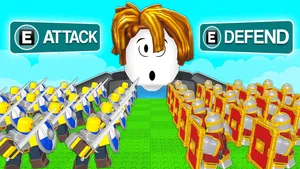
Command An Army Maps Guide: Every Battlefield and Its Capture Points
How Command An Army battlefields work: attack-and-defend objective flow, lettered capture points, 12-player matches — and the honest state of the official map list.
units
Crossbow in Command An Army: What the Official Patch Notes Reveal
Named in the September 13 patch notes but absent from every unit list — officially real, otherwise undocumented. Everything known so far.
Was this helpful?
Thanks for the feedback!